How these got built
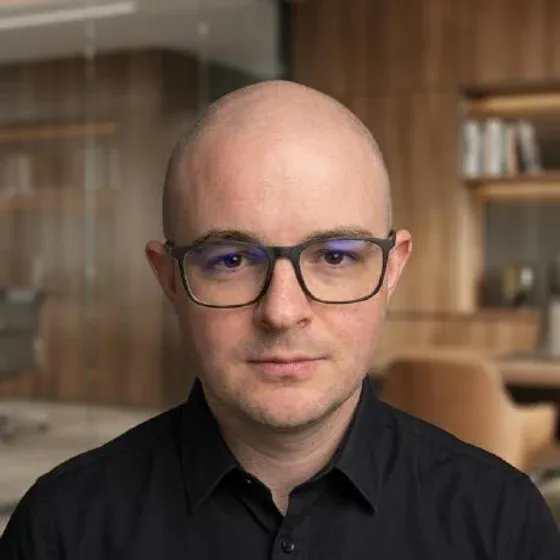
FlosForge isn’t a corporate studio, an agency, or a venture-backed startup. The name is simply a brand I came up with for the personal workshop where I forge and maintain software.
Over the years, whenever I hit annoying friction or repetitive bottlenecks in my daily engineering work, I built small, focused utilities to solve them properly. Friends and colleagues saw what they did and started asking for copies, or asking me to build helpers for their own day-to-day headaches—whether that meant auditing Android devices over ADB, managing client WordPress sites and security checklists, or tracking personal health metrics without handing intimate data to cloud subscriptions.
For a long time, these tools lived as personal scripts and private builds on our own laptops and phones. Recently, I decided it was time to take the best of them, polish away the rough edges, write thorough documentation, and start packaging them up to put out into the world.
A few core principles guide everything I build:
Local-first by default: Software should run on your own hardware, not depend on a remote server staying alive or solvent. Your notes, logs, and sensitive data stay on your device in standard formats you can inspect, back up, or export whenever you want.
Zero telemetry and surveillance: None of my apps track what you do, collect behavioural analytics, or secretly phone home. Privacy isn’t a marketing angle; it is the default state of software that respects its users.
Honest, pragmatic AI: Where AI features add genuine capability, they run locally on-device whenever possible. When larger cloud models are truly useful, the apps use a direct Bring Your Own Key (BYOK) architecture where your computer talks directly to the provider’s API. I maintain no middleman servers to read your prompts or retain your data.
Simple, sustainable software: Several utilities are published as free and open-source software on GitHub for anyone to audit, use, and fork. The commercial apps are offered with straightforward, perpetual ownership—no recurring subscription traps, no artificial paywalls, and no nags.